Evaluating the Signing Contract Flat Icon: A Practical Asset for Digital Agreements
In the modern digital landscape, visual communication often precedes textual explanation. When users navigate complex workflows involving legal commitments, financial transactions, or service agreements, clarity is paramount. This is where specific graphic assets, such as the signing contract flat icon, become essential components of user interface design. Unlike decorative illustrations, functional icons serve as cognitive shortcuts, helping users instantly recognize actions and statuses. The concept of a document isolated vector sign representing a business agreement is not merely an aesthetic choice; it is a fundamental element of usability that bridges the gap between abstract legal processes and tangible user interactions.
The Role of Visual Semantics in Business Workflows
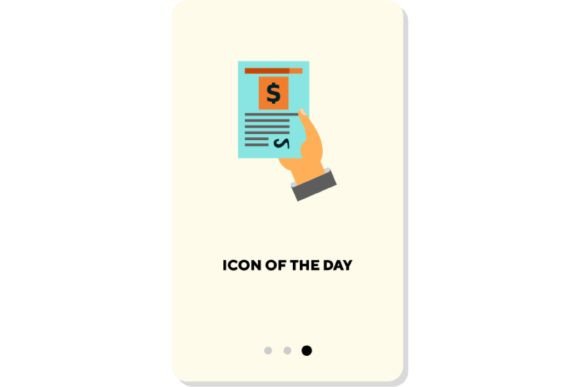
For professionals, entrepreneurs, and small business owners, the efficiency of digital tools directly impacts productivity. When designing apps, websites, or internal dashboards, the selection of iconography must align with user expectations. A signing contract flat icon typically features a stylized representation of a paper document, often accompanied by a pen, signature line, or checkmark. This visual language is universally understood across cultures and industries, making it a reliable symbol for concepts related to approval, finalization, and commitment.
The value of this asset lies in its ability to reduce cognitive load. When a user sees a generic file icon, they may hesitate, unsure if the action involves viewing, downloading, or editing. However, an icon specifically designed to represent a signing contract signals a distinct action: execution of an agreement. This distinction is critical in sectors such as real estate, human resources, freelance marketplaces, and e-commerce, where the moment of signing is a pivotal milestone in the customer journey.
Technical Advantages of Vector Isolation
One of the most significant strengths of a high-quality document isolated vector sign is its technical flexibility. Vector illustrations are composed of mathematical paths rather than pixels, allowing them to be scaled infinitely without loss of quality. This characteristic is indispensable for responsive web design and multi-platform app development. An icon that looks crisp on a desktop monitor must remain legible on a smartwatch or a high-resolution mobile display.
Furthermore, the "isolated" nature of the asset ensures seamless integration into various design systems. Designers do not need to spend time removing backgrounds or adjusting color profiles to match their brand guidelines. Instead, they can manipulate the stroke weight, fill color, and dimensions directly within their design software. This level of control supports consistency across a brand’s visual identity, ensuring that the icon feels like a native part of the interface rather than an afterthought.
Usability and Design Consistency
When evaluating vector illustration symbol elements for web design and apps, consistency is key. A signing contract flat icon should adhere to the same design language as the rest of the interface. If the application uses rounded corners and soft shadows, the icon should reflect those traits. If the design system is strictly minimalist and linear, the icon should avoid unnecessary embellishments.
Practical experience suggests that mismatched iconography can disrupt user trust. A poorly integrated icon may appear amateurish, potentially undermining the perceived reliability of the platform. Conversely, a well-crafted, cohesive icon set enhances the professional appearance of the product. For marketers and creators, this attention to detail contributes to a polished brand image, which is crucial for converting visitors into clients.
Target Audience and Practical Applications
Who benefits most from incorporating a specialized signing contract flat icon into their projects? The answer spans a wide range of professionals:
- UX/UI Designers: They require versatile assets that communicate function quickly. A clear contract icon helps streamline onboarding flows and reduces support queries regarding document status.
- Developers: Vector formats like SVG are lightweight and easy to implement in code, improving page load speeds and performance.
- Freelancers and Consultants: Those who create proposals or invoices often use these icons in PDFs or client portals to indicate where signatures are required.
- Educators and Trainers: In courses about business law or entrepreneurship, visual aids help clarify complex procedural steps.
In real-world scenarios, this icon might appear in a dashboard indicating pending approvals, in an email notification prompting a user to review terms, or as a button trigger in a mobile app for digital signatures. Its versatility makes it a staple in any toolkit focused on business and agreement concepts.
Limitations and Considerations
While the utility of a document isolated vector sign is evident, designers must exercise caution to avoid ambiguity. Not all document icons are created equal. A generic "file" icon may be confused with a "contract" icon if the visual distinctions are too subtle. It is advisable to test icons with actual users to ensure the intended meaning is conveyed accurately. Additionally, overusing detailed icons can clutter the interface. The flat design style helps mitigate this by keeping visuals simple, but balance remains essential.
Another consideration is cultural context. While the pen-and-paper metaphor is widely recognized, some global audiences may associate digital agreements with biometric scans or digital seals. Designers working on international products should consider whether a traditional signing icon aligns with local user mental models or if a more abstract symbol would be more effective.
Long-Term Value in Digital Assets
Investing in high-quality vector illustration symbol elements yields long-term dividends. Unlike raster images that become obsolete as screen resolutions increase, vectors remain relevant. They can be repurposed for print materials, presentations, and merchandise without degradation. For small business owners and publishers, building a library of consistent, professional icons reduces the time and cost associated with future design projects.
Moreover, accessibility standards increasingly demand clear visual cues. Icons paired with appropriate alt text improve navigation for users relying on screen readers. A well-labeled signing contract flat icon not only aids sighted users but also contributes to a more inclusive digital environment.
Making the Right Choice for Your Project
When selecting a signing contract flat icon, prioritize clarity, scalability, and stylistic harmony. Look for assets that offer multiple variations, such as outlined and filled versions, to accommodate different states (e.g., active, inactive, hovered). Ensure the source provides editable files, allowing for customization to fit your specific brand colors and dimensions.
Ultimately, the goal is to enhance user understanding and streamline interactions. A thoughtfully chosen icon does more than decorate; it guides, informs, and reassures. In the context of business agreements, where trust and precision are critical, the right visual symbol can make the difference between confusion and confidence. By integrating robust, flexible, and clear vector assets into your design workflow, you create a more intuitive and professional experience for your audience.
For those managing multiple projects, maintaining a standardized icon library ensures that every new app, website, or document adheres to the same high standards of visual communication. This consistency reinforces brand recognition and user familiarity, creating a seamless experience across all touchpoints. Whether you are launching a new SaaS platform or updating an existing corporate portal, the humble signing contract icon plays a vital role in the broader ecosystem of user-centric design.