Decoding the Stylish Hat Flat Icon: A Guide to Modern Digital Symbolism
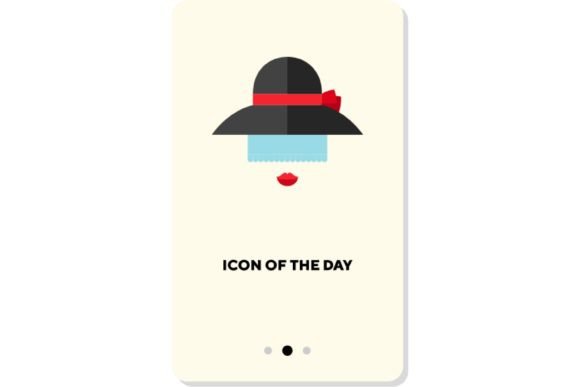
In the vast and ever-evolving landscape of digital design, icons serve as the universal language that bridges the gap between complex functionality and user intuition. Among the myriad of symbols available to designers, the stylish hat flat icon has emerged as a distinctive visual element. Specifically, representations featuring a wide brim women’s hat offer more than just aesthetic appeal; they carry significant semantic weight in user interface (UI) and user experience (UX) design. This article explores the purpose, significance, and practical application of these isolated vector signs, helping you understand how a simple head dress concept can enhance web design and mobile applications.
The Evolution of Iconography in Web Design
To appreciate the value of a specific icon like a wide-brimmed hat, one must first understand the role of iconography in modern technology. In the early days of the internet, interfaces were text-heavy and often cluttered. As screens became smaller with the advent of smartphones, designers needed a way to convey meaning quickly and efficiently. Enter the flat icon.
Flat design strips away unnecessary textures, gradients, and shadows, focusing on clean lines and bold colors. This minimalist approach ensures that icons are legible at small sizes and load quickly on various devices. When we talk about a stylish hat flat icon, we are referring to a graphic that adheres to these principles while representing a specific object: a fashionable accessory. The "wide brim" detail is crucial because it provides immediate visual recognition, distinguishing it from other types of headwear like beanies or caps.
Why Specificity Matters in Vector Symbols
You might wonder why a designer would choose a wide brim women’s hat over a generic silhouette. The answer lies in context and audience targeting. In digital marketing and e-commerce, specificity drives engagement. A generic hat icon might suggest a clothing store, but a stylish, wide-brimmed hat suggests fashion, summer trends, luxury, or feminine elegance. These subtle cues help users navigate an app or website with greater confidence, knowing exactly what category they are exploring.
Furthermore, using an isolated vector sign allows for immense flexibility. Unlike raster images (like JPEGs or PNGs), vectors are mathematical formulas that define shapes. This means the icon can be scaled up to the size of a billboard or down to a favicon without losing quality. For web designers and app developers, this scalability is invaluable, ensuring a crisp appearance across all screen resolutions.
Practical Applications in Modern Interfaces
The utility of a head dress and accessory concept icon extends far beyond mere decoration. Here are several practical scenarios where this specific vector illustration symbol becomes a powerful tool for communication:
- E-Commerce Categorization: Online fashion retailers use these icons to create intuitive navigation menus. Clicking on a wide-brim hat icon might lead users directly to the "Summer Accessories" or "Women’s Hats" section, reducing the number of clicks required to find a product.
- Profile Customization: Social media platforms and gaming apps often allow users to customize their avatars. A stylish hat icon can represent a premium accessory pack or a specific style category within the customization menu.
- Event Branding: For digital invitations or event management apps, a wide-brimmed hat can symbolize outdoor gatherings, garden parties, or high-society events like horse races, instantly setting the tone for the occasion.
- Weather and Travel Apps: In travel guides, this icon might indicate sunny destinations or recommend packing lists for warm climates, serving as a visual shorthand for "sun protection" or "beach readiness."
Enhancing User Experience Through Visual Clarity
A common misunderstanding in design is that icons should always be literal. However, effective iconography balances literal representation with cultural association. A wide brim women’s hat is not just a piece of fabric; it is a symbol of leisure, style, and protection from the elements. By leveraging these associations, designers can create interfaces that feel more human and less mechanical.
For instance, consider a lifestyle blog app. Instead of using text labels like "Fashion Tips" or "Seasonal Trends," the designer might use a row of flat icons, including the stylish hat. This visual approach breaks up text, makes the interface more scannable, and adds a layer of personality to the brand. It transforms a functional task—navigation—into an enjoyable visual experience.
Technical Considerations for Designers and Developers
When integrating a vector illustration symbol into a project, there are technical best practices to ensure optimal performance and accessibility. While the visual appeal is important, the underlying code and structure determine how well the icon serves its purpose.
- File Format Selection: Always use SVG (Scalable Vector Graphics) for web and app icons. SVGs are lightweight, editable via CSS, and accessible to screen readers when properly tagged. Avoid using heavy PNG files for simple icons like a hat, as they increase load times.
- Consistency in Style: If your app uses flat icons, ensure the hat icon matches the stroke width, corner radius, and color palette of other icons in the set. A mismatched icon can disrupt the visual harmony and confuse users.
- Accessibility Labels: Never rely solely on the visual aspect of the icon. Use ARIA labels or alt text to describe the icon for users who rely on assistive technologies. For example, label the icon as "Women’s Fashion Accessories" rather than just "Hat."
- Color Contrast: Ensure the icon stands out against its background. A light-colored hat icon on a white background will be invisible. Use sufficient contrast to meet WCAG (Web Content Accessibility Guidelines) standards.
Bridging Creativity and Functionality
The intersection of creativity and functionality is where great design happens. A stylish hat flat icon is a perfect example of this balance. It is creative because it captures the essence of fashion and style through simplified shapes. It is functional because it communicates a clear category or concept instantly. For businesses, this translates to better user retention and higher conversion rates. For educators, it offers a way to make learning materials more engaging. For everyday users, it makes digital interactions smoother and more intuitive.
Moreover, the trend towards minimalism in design does not mean a lack of personality. On the contrary, choosing the right specific symbol—like a wide-brimmed hat instead of a generic circle—adds character. It shows attention to detail and an understanding of the target audience. Whether you are designing a high-end boutique app or a casual travel blog, the right icon can elevate the entire user experience.
Conclusion: The Power of Small Details
In conclusion, the wide brim women’s hat isolated vector sign is more than just a decorative element. It is a strategic tool in the designer’s toolkit, capable of conveying complex ideas through simple visuals. By understanding the principles of flat design, the importance of vector scalability, and the semantic power of specific symbols, you can leverage these icons to create more effective and engaging digital products.
As technology continues to advance, the demand for clear, concise, and aesthetically pleasing visual communication will only grow. Whether you are a seasoned developer, a budding designer, or a business owner looking to improve your online presence, paying attention to these small details can make a significant difference. Embrace the power of the stylish hat flat icon and let it guide your users through a seamless and stylish digital journey.
For those interested in exploring more about vector assets and UI design principles, consider researching best practices for SVG implementation or studying color theory in flat design. Understanding these foundational concepts will further enhance your ability to create meaningful and impactful digital experiences.